
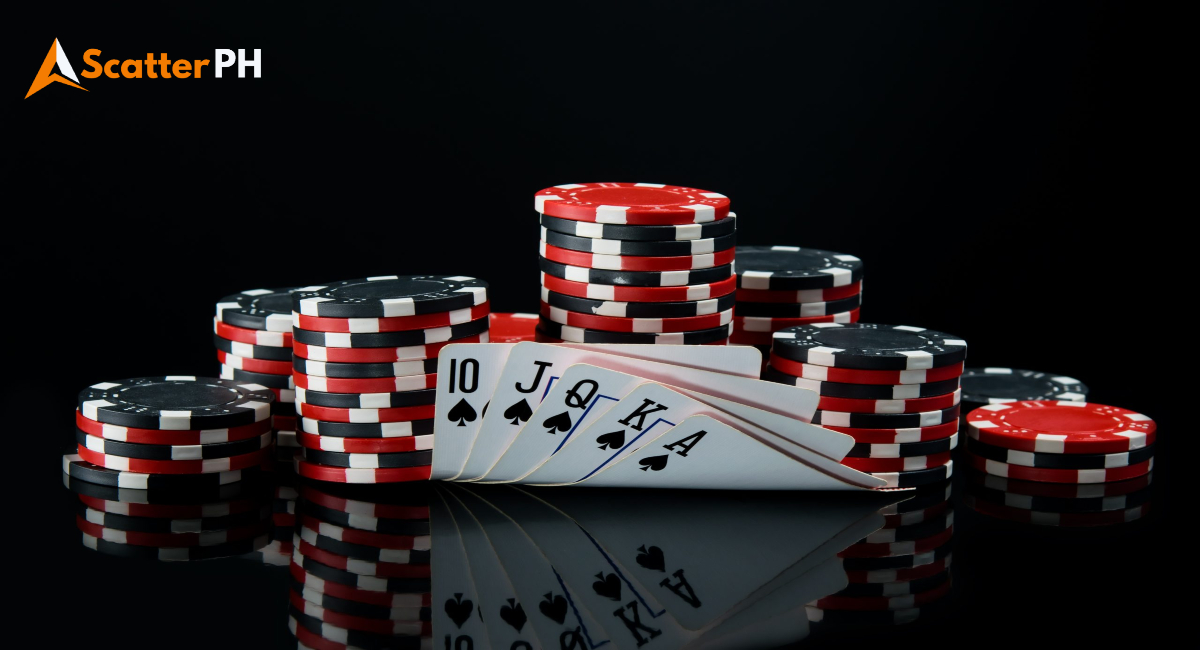
Bluffing is one of the most intriguing and important aspects of poker. It’s a strategic maneuver where a player bets or raises with a weaker hand to deceive opponents into thinking they hold a stronger hand. The objective is to force opponents to fold superior poker hands, thereby winning the pot. Mastering the art of bluffing can significantly elevate your poker bluffing game, transforming you from a novice to a seasoned player.
Psychology Behind Bluffing
Understanding the psychology of your opponents is crucial in bluffing. Poker is as much a game of mental prowess as it is of skill. Observing your opponents’ behavior, betting patterns, and body language can provide invaluable insights. This understanding helps you gauge when an opponent is likely to fold or call your bluff, allowing you to time your poker bluffs perfectly.
Types of Poker Bluffs
Semi-Bluffs
A semi-bluff involves betting with a weak hand that has the potential to improve in future rounds. This type of bluff combines the threat of a strong hand with the possibility of drawing to a better hand, making it a versatile and often safer bluffing strategy.
Pure Bluffs
A pure bluff, also known as a naked bluff, is when you bet or raise with a hand that has no chance of winning unless your opponent folds. This is the riskiest form of bluffing but can be highly rewarding if executed correctly.
Stone-Cold Bluffs
A stone-cold bluff is when you bluff with absolutely nothing, relying entirely on the strength of your bet to force opponents to fold. This type of bluff requires a deep understanding of your opponents and the situation, as it can lead to significant losses if unsuccessful.
When to Bluff
Timing your poker bluffs correctly is crucial to successful poker play. Bluffing at the right moment can significantly increase your chances of winning a pot, even when you don’t have the best hand. Here are some key factors to consider when deciding when to bluff:
Assessing Table Dynamics
Every poker table has its unique dynamics, influenced by the players, their styles, and their interactions. Pay attention to the overall mood and flow of the game. Are the players generally tight (playing few hands) or loose (playing many hands)? Are they aggressive or passive? Understanding these dynamics can help you identify the best opportunities to bluff.
Tight Tables:
At a table where players are conservative and only play strong hands, well-timed poker bluffs can be particularly effective. These players are more likely to fold to aggressive betting if they don’t have a strong hand.
Loose Tables:
At a loose table where players see many flops and play a wide range of hands, bluffing becomes riskier. These players are more likely to call your poker bluffs, so choose your spots carefully.
Analyzing Opponent Tendencies
Knowing your opponents’ habits and tendencies is essential. Some players are easier to bluff than others. Look for the following types of opponents:
Tight-Aggressive Players (TAGs):
These players are usually disciplined and fold more often when they miss the flop. They can be good targets for poker bluffs, especially if you notice them folding frequently.
Loose-Aggressive Players (LAGs):
These players are trickier to bluff because they often play back aggressively. Bluffing a LAG requires a strong read and the ability to mix up your play to keep them off balance.
Passive Players:
Players who rarely raise and often just call can be easier to bluff. They are less likely to challenge your bets with weak hands.
Considering the Board Texture
The community cards (board) play a significant role in deciding when to bluff. Certain board textures are more favorable for bluffing than others:
Dry Boards:
These boards have a low potential for drawing hands (e.g., a board with high, unconnected cards like K-7-2). They are good for bluffing because there are fewer combinations of strong hands that your opponents can have.
Wet Boards:
These boards have a high potential for drawing hands (e.g., a board with connected cards like J-10-9). They are less favorable for bluffing because opponents are more likely to have drawn or made hands.
Position and Bluffing
Your position at the table is a critical factor in bluffing. Bluffing from a late position (near the dealer button) is generally more effective than from an early position because:
More Information:
In a late position, you have more information about your opponents’ actions and can make better-informed decisions.
Control:
You can control the size of the pot more effectively and apply pressure with your bets.
Pot Size and Bluffing
The size of the pot can influence the success of a bluff:
Small Pots:
Players are less likely to call large bets in small pots, making them good opportunities for poker bluffs.
Large Pots:
Bluffing in large pots is riskier because players are more inclined to call with marginal hands due to the pot odds.
Your Table Image
How your opponents perceive you can impact the success of your bluffs. If you have been playing tight and conservative, your poker bluffs are more likely to be respected. Conversely, if you have been playing loosely and aggressively, opponents may be more inclined to call your bluffs.
Tight Image:
Use this to your advantage by bluffing more often, as your bets will carry more credibility.
Loose Image:
Be more selective with your poker bluffs, as opponents may be more willing to call you down.
Timing Specific Poker Bluffs
Certain situations provide better bluffing opportunities:
Continuation Bets (C-Bets):
If you raise pre-flop and the flop comes favorable, a continuation bet can often win the pot, especially if your opponents missed the flop.
Check-Raises:
A well-timed check-raise on the turn or river can represent a strong hand and force opponents to fold.
Common Poker Bluffing Mistakes
Overbluffing
One of the most common mistakes is over-bluffing—bluffing too frequently can make your poker bluffs predictable and easy to call. Balance your bluffs with solid hands to keep your opponents guessing.
Bluffing Without a Plan
Bluffing without a clear plan or understanding of your opponent’s tendencies is a recipe for disaster. Always have a strategy in mind and be prepared to adjust based on the unfolding game.
Ignoring Opponent History
Failing to consider your opponents’ history and playing styles can lead to poor bluffing decisions. Each opponent is different, and understanding their unique tendencies is crucial for successful bluffing.
Bluffing Against the Wrong Players
Bluffing doesn’t work on everyone. Avoid bluffing players who call with almost anything (calling stations) or those who are very aggressive. Focus on opponents who are more likely to fold under pressure.
Bluffing with the Wrong Bet Size
Bet size matters. Too large a bet might scare everyone away, while too small a bet might not convince anyone to fold. Aim for a bet size that makes your bluff believable without risking too much.
Bluffing Out of Position
Bluffing from an early position (acting before others) is tricky because you have less information. Bluff from later positions where you can see how others act first, giving you better control and insight.
Failing to Tell a Credible Story
Your bluff needs to make sense. Your bets should match the hand you’re pretending to have. For example, if you’re representing a strong hand, your betting pattern should reflect that strength. A mismatched story makes your bluff less believable.
Ignoring Your Table Image
How your opponents see you (tight or loose) affects your bluff’s success. If you’ve been playing conservatively (tight), your bluffs are more likely to be believed. If you’ve been playing many hands (loose), your bluffs might get called more often. Adjust your poker bluffs based on your table image.
Poker Bluffing as a Skill

Bluffing in poker is essential and requires practice, keen observation, and strategic thinking. Here’s how you can refine your bluffing abilities to become a more formidable poker player.
Practice and Experience
Like any skill, bluffing improves with practice. Engage in regular games to get comfortable with different scenarios and opponents. Analyze your past games to understand what worked and what didn’t. Joining poker communities and forums can also provide valuable insights from experienced players.
Understanding Opponent Behavior
Reading your opponents accurately is crucial. Recognize whether they are tight or loose, aggressive or passive. This information helps you predict their reactions to your poker bluffs. Pay attention to their betting patterns and physical cues in live games, such as nervousness or hesitation, that might indicate their hand strength.
Strategic Thinking
Bluffing is about making smart, calculated decisions. Always have a reason for your bluff. Are you representing a strong hand? Are you exploiting a weak opponent? Bluffing from a late position is generally more effective because you have more information about your opponents’ actions. Ensure the community cards support the hand you’re representing.
Adapting to Opponents
Flexibility is key. If your poker bluffs are frequently being called, adjust by bluffing less often or changing your bet sizes. Avoid becoming predictable by occasionally bluffing in unexpected situations. Target players who fold too often to aggression with well-timed poker bluffs.
Psychological Warfare
Bluffing is a form of psychological warfare. Your demeanor can influence how opponents perceive your hand. Projecting confidence can make your poker bluffs more convincing. Your table image (how others perceive you) is a powerful tool. Occasionally, use fake tells to mislead your opponents, like acting nervous with a strong hand.
Learning from Legends
Study famous poker players and their bluffing techniques for valuable insights. Watch videos and read about legendary bluffs to understand their strategies. Learn from historic poker bluffs in major tournaments for examples of strategic thinking.
Continuous Improvement
Bluffing is a dynamic skill that evolves with the game. Keep up with the latest poker trends and strategies. Seek feedback from more experienced players for constructive criticism. Experiment with new techniques in low-stakes games to refine your strategy.
Bluffing Techniques and Etiquette
Bluffing is indeed a vital component of poker, but maintaining proper etiquette while employing this strategy is paramount to upholding the integrity and camaraderie of the game. Observing bluffing etiquette fosters a fair and enjoyable atmosphere for all players seated at the table.
Bluffing is more than just a tactic in poker; it’s an art form that can turn the tide of a game in your favor. Mastering different bluffing techniques is crucial for those aiming to elevate their poker skills to new heights.
Bluffing and Emotional Control
1. Concealing Nervousness
One of the most significant challenges in bluffing is concealing nervousness or anxiety. A trembling hand or a rapid heartbeat can betray the strength of your hand to observant opponents. By maintaining emotional composure, you can avoid revealing telltale signs of nervousness that could give away the strength of your bluff.
2. Avoiding Tilting
Tilt, or emotional frustration, can cloud your judgment and lead to reckless decision-making. A player on tilt is more likely to resort to desperate bluffing attempts in an attempt to recoup losses or regain lost pride. By practicing emotional control, you can prevent yourself from succumbing to tilt and making costly bluffing mistakes.
3. Patience and Timing
Successful bluffing requires patience and precise timing. Emotionally driven impatience can prompt premature bluffing attempts or force you to abandon a well-planned bluff too soon. By maintaining emotional discipline, you can bide your time and wait for the opportune moment to execute your bluff effectively.
4. Dealing with Adversity
Bluffing can sometimes backfire, resulting in losses or embarrassment at the table. Emotionally resilient players can accept defeat gracefully and rebound from setbacks with resilience. By cultivating a positive mindset and reframing losses as learning opportunities, you can maintain confidence in your bluffing abilities even in the face of adversity.
5. Maintaining a Poker Face
A stoic demeanor and a poker face are essential tools for bluffing effectively. Emotional control enables you to maintain a neutral expression and demeanor regardless of the strength of your hand or the outcome of the hand. By mastering the art of the poker face, you can keep your opponents guessing and maintain the element of surprise in your bluffing endeavors.
6. Celebrating Wins Gracefully
While celebrating a successful bluff can be tempting, maintaining emotional control is essential for celebrating victories gracefully. Excessive gloating or taunting can breed animosity and disrupt the harmony of the game. By displaying humility and sportsmanship in victory, you can foster a positive and respectful atmosphere at the table.
The Evolution of Bluffing
Bluffing strategies have evolved significantly over the years. In the early days of poker, bluffs were often crude and straightforward. Modern poker, with its advanced analytics and psychology, has seen the development of more sophisticated and subtle bluffing techniques.
Bluffing in Online Poker
Adapting Bluffing Tactics to Virtual Games
Online poker presents unique challenges for bluffing, such as the absence of physical tells. However, players can use betting patterns, timing, and chat interactions to create effective poker bluffs. Adapt your strategies to the online environment to maintain an edge.
Challenges and Advantages of Online Bluffing
While online bluffing lacks the physical interaction of live games, it offers the advantage of anonymity. Players can craft their online persona and use it to their advantage, making it harder for opponents to read their poker bluffs.
To Summarize
Bluffing is a cornerstone of poker strategy, combining psychological insight, risk management, and tactical execution. By mastering the art of bluffing, you can elevate your game, deceive your opponents, and secure more wins. Remember, successful bluffing requires practice, patience, and a deep understanding of your opponents and the game dynamics.
FAQs
Is bluffing legal in poker?
Yes, bluffing is a legitimate strategy in poker and is considered an essential skill for players.
How can I improve my bluffing skills?
Practice is key. Start by analyzing your bluffing tendencies and learning from both successful and unsuccessful attempts.
What should I do if I get caught bluffing?
Remain calm and maintain your composure. Acknowledge the bluff and continue playing strategically.
Are there any specific tells to look out for when bluffing?
While there are no foolproof tells, common signs of bluffing include hesitation, sudden changes in betting patterns, and body language fluctuations.
Is bluffing more effective in live poker or online poker?
Bluffing can be effective in both live and online poker, but the strategies differ. In live poker, physical tells and body language plays a significant role, while in online poker, players must rely more on betting patterns and timing.
Key Takeaways
- Understanding and reading your opponents’ behavior and tendencies is crucial for successful bluffing.
- There are various bluffing strategies, including semi-bluffs, pure bluffs, and stone-cold bluffs.
- Effective bluffing depends on the right timing and a well-thought-out strategy.
- Bluffing techniques need to be adapted to different poker variants and settings, such as live versus online play. Each environment presents unique challenges and opportunities for bluffing.





Related Post
- Why Scatter Game is So Addictive: The Psychology Behind the Obsession
- Online Slot Developers: Key Players in the Gaming Revolution
- Play Boxing King at 7XM | Win The Knockout Slot Game by Jili
- Play Wild Bandito: Exciting Slots with Mexican Flair at 7XM
- Mahjong Ways Slot: Classic Mahjong Meets Modern Slot Action
Leave a Reply