
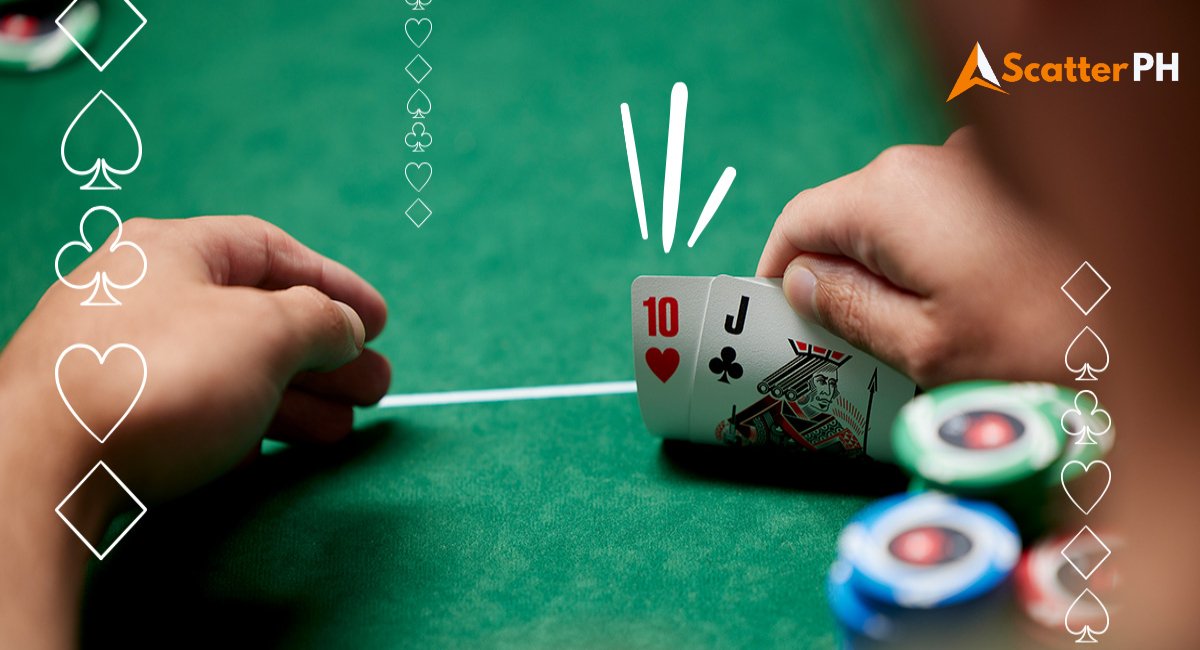
Suited connectors are an intriguing category of poker hands that can lead to some of the most lucrative outcomes in the game. These hands consist of two consecutive cards of the same suit, such as J♥T♥ or 9♦8♦. The appeal of suited connectors lies in their potential to form powerful hands like straights and flushes, which can dominate a poker table when they hit.
The beauty of these connectors is that they offer the promise of big rewards for relatively low investment. This potential for strong hands makes them a favorite among many poker players, from novices to seasoned professionals. As we delve deeper into the strategies and considerations for playing suited connectors, you’ll discover why these hands hold such a special place in poker strategy.
The Strength of Suited Connectors
One of the primary strengths of suited connectors is their potential to form high-winning hands. The possibility of hitting a straight or a flush can turn a modest investment into a sizable pot. For instance, a hand like J♥T♥ can complete a straight with multiple combinations (e.g., 7♥8♥9♥ or Q♥K♥9♥), and it can also form a flush if three more hearts appear on the board.
Odds of Completion
To understand their true potential, it’s important to look at the odds of completing these draws. Here are some tips you might need to keep in mind:
Straight Draw:
The odds of hitting an open-ended straight draw on the flop are about 31.5%.
Flush Draw:
The odds of completing a flush draw on the flop are roughly 19.1%.
These odds highlight the characteristic strength of suited connectors. When combined with the concept of implied odds, which refers to the potential for winning a large pot if the draw hits, connectors become even more effective. The idea is that even if the immediate odds aren’t overwhelmingly in your favor, the possibility of a big payoff justifies the investment.
Implied Odds
Implied odds play a crucial role in the strategy for suited connectors. Unlike direct pot odds, which are the immediate odds you get from the current pot, implied odds consider the potential future bets you can win if you hit your hand. This makes connectors particularly valuable in situations where you and your opponents have deep stacks, as the opportunity to win a significant amount of chips increases.
Examples of Playing Suited Connectors
To illustrate these key points, let’s consider a scenario:
Situation:
You’re playing in a no-limit Texas Hold’em cash game with deep stacks. You’re dealt 8♠7♠ in the cutoff position.
Pre-flop:
With deep stacks and a favorable poker position, you decide to enter the pot with a standard raise. The button and blinds call, creating a multi-way pot.
Flop (9♠6♠2♦):
You flop a flush draw with an open-ended straight draw. The blinds check, and you decide to continuation bet, representing strength and applying pressure to your opponents. The button folds, but the small blind calls.
Turn (9♠6♠2♦8♣):
You improve to a straight with the 8♣ on the turn. The small blind checks again, and you decide to bet for value. The small blind raises, indicating strength. You re-evaluate the situation and ultimately decide to call, confident in the strength of your hand.
River (9♠6♠2♦8♣Q♠):
The river brings a queen of spades, completing your flush. The small blind checks and you confidently bet for value. The small blind folds, and you win a substantial pot with your strong hand.
Playing Strategies
Pre-Flop Tactics:
Positional Awareness
Positional awareness is important when playing suited connectors. In early positions, where you have little information about your opponents’ hands, it’s advisable to play tighter and only enter pots with premium hands or strong drawing hands. As you move to later positions, such as the cutoff or button, you have more information about the actions of your opponents, allowing you to play looser and capitalize on the potential of suited connectors.
Calling vs. Raising
When deciding whether to call or raise with suited connectors, consider your pot odds and the likelihood of your hand being dominated. connectors thrive in multi-way pots where you can extract maximum value if you hit your draw. Raising with connectors can sometimes scare away opponents, limiting your implied odds, so calling to see a cheap flop and potentially build a bigger pot post-flop can be a more practical strategy.
Stack Sizes
The depth of your stack influences the effectiveness of implied odds. With deeper stacks, you have more room to maneuver and potentially win larger pots if your draw hits. In deep-stacked games, suited connectors gain additional value, as the potential payoff outweighs the initial investment. Also, in shallow-stacked situations, where the risk of busting out is higher, playing suited connectors becomes riskier and requires more caution.
Post-Flop Play:
Adapting to the Flop
Upon reaching the post-flop stage, it’s important to evaluate the texture of the board and how it interacts with your suited connectors. Recognize potential draws, such as straight or flush draws, as well as possible weak or strong holdings from your opponents. Adjust your strategy accordingly, either by aggressively pursuing your draw or by exercising caution if the board presents significant threats.
Importance of Position
Positional advantage remains crucial in post-flop play. Being in a later position allows you to control the betting and gather more information about your opponents’ intentions. With suited connectors, this advantage is amplified, as you can capitalize on favorable situations and extract maximum value from your draws.
Semi-Bluffing
Semi-bluffing with suited connectors is a powerful tool in your arsenal. By betting or raising with a strong draw, you apply pressure on your opponents and potentially force them to fold better hands. Even if your draw doesn’t immediately hit, you still have equity to improve on future streets, making semi-bluffing with connectors a profitable play in many situations.
Risks and Points to Consider
While suited connectors offer significant potential for big wins, it’s essential to approach them with caution and be aware of certain considerations that can affect their effectiveness in a poker game, even in an online poker game.
Not Guaranteed Winners
It’s important to understand that suited connectors are not guaranteed winners. Despite their potential to form strong hands like straights and flushes, there will be many occasions where they miss the flop entirely. This can lead to situations where you invest chips without any realistic chance of winning the hand. Therefore, it’s important to manage your expectations and not overplay suited connectors in every scenario.
Risk of Multi-Way Pots
Another consideration when playing suited connectors is the risk of multi-way pots. As more players enter the pot, the value of suited connectors diminishes, as the likelihood of hitting your draw decreases while the competition for the pot increases. In these situations, it’s important to reassess the strength of your hand and consider folding if the odds no longer justify continued investment.
Tournament Play vs. Cash Games
The value of suited connectors can vary depending on whether you’re playing in a tournament or a cash game. In tournament play, where stack sizes are typically shallower, the risk-reward ratio for playing suited connectors changes. While they can still be profitable in certain situations, such as late-stage tournaments where aggressive play is rewarded, suited connectors become less valuable when your stack is at risk. In contrast, in cash games with deeper stacks, suited connectors have more room to shine, especially in scenarios where implied odds come into play.
Advanced Strategies for Suited Connectors
For experienced players looking to take their game to the next level, here are some advanced strategies tailored specifically for playing suited connectors:
1. Blocker Effects
Utilize the blocker effects of suited connectors to gain an edge over your opponents. Since suited connectors contain two specific cards, they can block certain combinations of hands that your opponents might hold. For example, holding the 9♥7♥ can block potential straight draws involving 8s and 10s, giving you additional equity in certain situations.
2. Continuation Bets
Incorporate continuation bets (c-bets) into your post-flop strategy with suited connectors. A well-timed c-bet can apply pressure to your opponents and allow you to seize control of the pot, even if you haven’t hit your draw. By representing strength and maintaining aggression, you can often take down pots uncontested or extract value from weaker hands.
3. Advanced Bluffing Techniques
Mastering advanced poker bluffing techniques can enhance your effectiveness when playing suited connectors. By incorporating well-timed bluffs into your gameplay, you can deceive your opponents and extract value from hands that would otherwise be difficult to win. Look for opportunities to represent strong hands on certain board textures, leveraging your knowledge of your opponents’ tendencies and the dynamics of the table.
4. Hand Reading Skills
Developing strong hand-reading skills is essential for maximizing the potential of suited connectors. Pay close attention to your opponents’ betting patterns, timing, and physical or verbal cues that may reveal the strength of their hands. You can make better decisions and take advantage of your opponents’ weaknesses if you can accurately predict the range of hands that they are likely to have.
5. Exploitative Play
Utilize exploitative play strategies to exploit the weaknesses and tendencies of your opponents. Against tight players, for example, you can loosen up your range and play more aggressively with suited connectors, knowing that they are likely to fold to pressure. Against aggressive players, you can adopt a more passive approach and look for opportunities to trap them with strong hands disguised as draws.
6. Balancing Your Range
Maintain a balanced range of hands when playing suited connectors to keep your opponents’ guessing and prevent them from easily exploiting your tendencies. Mix up your play by occasionally raising with suited connectors in early positions, bluffing with missed draws, and value betting with strong hands. By keeping your opponents’ off-balance, you can maintain an edge and extract maximum value from your suited connectors.
7. Analysis
Analyze real-world hand histories and case studies involving suited connectors to gain deeper insights into their optimal play. Reviewing hands played by professional players or discussing hands with peers can provide valuable perspectives and help you refine your strategy. Look for key decision points, mistakes, and opportunities for improvement in each hand, and incorporate those lessons into your gameplay.
8. Advanced Positional Play
Advanced positional play is essential for maximizing the value of suited connectors. As you gain experience, focus on exploiting positional advantages to extract maximum value from your hands. In the late position, for example, you can widen your range and play more aggressively with suited connectors, taking advantage of your position to control the action and put pressure on your opponents.
9. Multi-Street Planning
Develop a multi-street planning strategy when playing suited connectors, considering how your hand may evolve on subsequent streets. Instead of solely focusing on the immediate post-flop situation, think ahead to how your hand can develop on the turn and river. This proactive approach allows you to make more informed decisions and extract maximum value from your draws.
10. Bankroll Management
Implement effective bankroll management strategies to mitigate the inherent variance of playing suited connectors. While these hands offer significant potential for big wins, they also come with inherent risks. Allocate a portion of your bankroll specifically for playing suited connectors, and avoid over-committing to hands that may not offer sufficient value relative to your bankroll size.
11. Mental Game Mastery
Mastering the mental aspects of poker is crucial for success when playing suited connectors. Develop resilience to handle the inevitable swings and fluctuations that come with playing these hands. Maintain a disciplined mindset, avoid tilting, and focus on making optimal decisions based on sound poker strategy rather than emotions or short-term results.
Take Action Now and Play 7XM!
Now that you’ve learned the ins and outs of playing suited connectors, it’s time to put your knowledge into practice.

Head to the 7XM Online Casino website, armed with the strategies and insights you’ve gained from this guide. Test your skills, refine your techniques, and see firsthand how suited connectors can transform your poker game.
To Wrap-up
Approach suited connectors with caution and be mindful of the associated risks. While they offer the potential for big wins, they are not guaranteed winners, and there are situations where folding may be the prudent choice. Also, the dynamics of multi-way pots and the differences between tournament play and cash games must be considered when incorporating suited connectors into your strategy.
Suited connectors are a fascinating aspect of poker that rewards both skill and strategic insight. By applying the principles outlined in this guide and continually refining your approach through practice and experience, you can elevate your game to new heights and enjoy greater success at the poker table.
FAQs
Are suited connectors always profitable to play?
While suited connectors have the potential to be profitable hands, their profitability depends on various factors such as position, stack sizes, and table dynamics. It’s important to evaluate each situation carefully and make informed decisions based on the specific circumstances of the hand.
How do I know when to fold suited connectors?
Knowing when to fold suited connectors requires careful consideration of factors such as the strength of your hand, the action of your opponents, and the likelihood of hitting your draw. If the odds of completing your draw are low or if your hand is likely dominated by your opponent’s holdings, folding may be the best course of action.
Can I play suited connectors aggressively?
Playing suited connectors aggressively can be a viable strategy in certain situations, especially when you have position and favorable table dynamics. However, it’s essential to balance aggression with caution and avoid overplaying marginal hands, as this can lead to costly mistakes.
How do I improve my skills in playing suited connectors?
Improving your skills in playing suited connectors requires a combination of study, practice, and experience. Consider studying poker literature, watching instructional videos, and analyzing hand histories to gain insights into optimal strategies. Additionally, practice playing suited connectors in various scenarios to develop a better understanding of their strengths and weaknesses.
What is the difference between suited connectors and suited gappers?
Suited connectors are consecutive cards of the same suit (e.g., 8♠7♠), while suited gappers are non-consecutive cards of the same suit with a gap in between (e.g., 9♥7♥). While both types of hands offer the potential to form strong hands like straights and flushes, their playability and value may vary depending on the specific situation.
Key Takeaways
- Positional awareness is important when playing suited connectors, as it allows you to make more informed decisions and extract maximum value from your hands.
- While playing suited connectors aggressively can be profitable, it’s important to balance aggression with caution and avoid overplaying marginal hands.
- Suited connectors gain value from implied odds, which consider the potential future bets you can win if your draw hits.
- Suited connectors can be volatile, so it’s important to practice effective bankroll management to mitigate the risks associated with playing these hands.
- Poker is a game of skill that needs nonstop learning and improvement. Stay curious, stay hungry for knowledge, and never stop striving to become a better player.





Related Post
- Why Scatter Game is So Addictive: The Psychology Behind the Obsession
- Online Slot Developers: Key Players in the Gaming Revolution
- Play Boxing King at 7XM | Win The Knockout Slot Game by Jili
- Play Wild Bandito: Exciting Slots with Mexican Flair at 7XM
- Mahjong Ways Slot: Classic Mahjong Meets Modern Slot Action
Explore ScatterPH’s Top Features and Games
Lottery and Sports Betting
- Best Destination for Lottery Gaming: Discover why ScatterPH is the top choice for lottery enthusiasts.
- Your Ultimate Destination for Sports Betting: Dive into comprehensive sports betting options for all major events.
- 7XM and Responsible Sports Betting: Learn about responsible sports betting practices.
Casino Games and Live Casino
- Premier Destination for Slot Machine Thrills: Experience the excitement of slot machines.
- Best Casino for Fish Games and Online Fun: Enjoy a variety of fish games and more.
- Live Casino: Engage with real-time casino action and live dealers.
Poker
- Online Poker Hands: Learn about different poker hands and strategies.
- Super Ace Jili: Check out the popular Super Ace Jili game.
- Poker Bluff: Master the art of bluffing in poker.
- Poker vs. Blackjack: Compare the thrills of poker and blackjack.
- Online Poker Hold’em: Get tips on playing Hold’em online.
Featured Casinos and Games
- Discover 7XM: Premier Online Casino: Explore the features of 7XM, a leading online casino.
- Fishing Games at 7XM Online Casino: Discover exciting fishing games available at 7XM.
- 747 Live Casino: Experience the vibrant atmosphere of the 747 live casino.
- Keno at Scatter PH: Enjoy the classic game of Keno at Scatter PH.
- Crazy Time Live: Get in on the fun with Crazy Time Live.
Leave a Reply