
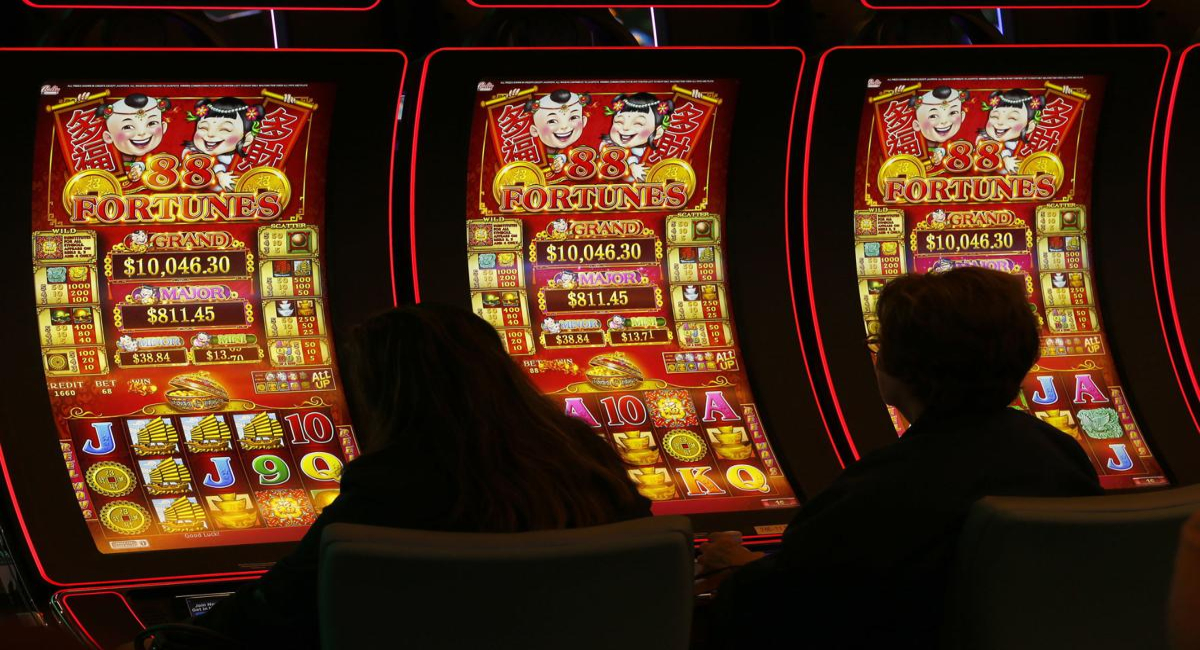
Online slot machines have become immensely popular in the world of digital gambling, captivating millions of players with their flashing lights, engaging themes, and the tantalizing promise of big payouts. However, alongside this popularity, a plethora of slot machine myths and misconceptions have emerged, clouding players’ understanding and often leading to unrealistic expectations. Let’s dive into some of the most common slot machine myths and set the record straight.
The Myth of Hot and Cold Machines
One of the most persistent slot machine myths in the world of online slots is the belief in “hot” and “cold” machines. Players often think that a machine that hasn’t paid out in a while is “cold” and therefore due for a big win, or conversely, that a “hot” machine is on a winning streak and more likely to pay out.
Reality of RNG (Random Number Generators)
In reality, online slot outcomes are determined by Random Number Generators (RNGs), which ensure that each spin is completely independent of the previous one. This means that there is no memory of past spins, and every spin has the same probability of resulting in a win or a loss, regardless of previous outcomes. RNGs are sophisticated algorithms that produce random numbers, ensuring the unpredictability of each result. The slot machine myths of hot and cold are simply a misunderstanding of how these algorithms work.
Belief in Slot Cycles
Another common misconception is the idea that slot machines operate in cycles, where they go through periods of paying out frequently followed by periods of not paying out at all.
These slot machine myths are debunked by understanding how RNGs work. Since each spin is independent, there are no cycles in the payouts. The idea of cycles may arise from the natural variance in outcomes, where players might experience clusters of wins or losses purely by chance. It’s a classic example of how human brains try to find patterns in randomness, even when none exist. Slots don’t follow any predetermined schedule or pattern for payouts; they are entirely governed by probability.
The Notion of ‘Due’ Payouts
Many players believe that if a slot machine hasn’t paid out in a while, it is “due” for a big payout. This belief is rooted in the misunderstanding of probability and randomness.
Each spin on a slot machine is a separate event with its odds. The probability of winning on any given spin does not increase or decrease based on previous spins. The notion of a machine being “due” for a payout is simply a gambler’s fallacy. In reality, each spin has the same chance of winning as any other, regardless of past outcomes. This misconception can lead players to make irrational decisions, thinking they are on the verge of a big win when, statistically, they are not.
Higher Bets Increase Winning Chances
Some players think that betting higher amounts will increase their chances of winning. This misconception can lead to players risking more money than they can afford, hoping for bigger payouts.

While higher bets can lead to higher payouts due to the proportional nature of many slot machines, they do not change the odds of winning. The outcome of each spin is determined by the RNG, which remains unaffected by the bet size. Players need to understand that betting more doesn’t make the game any more favorable. The only difference is in the potential size of the win, not the likelihood of winning itself.
New Slots Pay More
There’s a widespread belief that new slot games pay out more to attract players and create buzz around the new release.
New slot machines are not programmed to pay out more frequently than older ones. The payout rate, or Return to Player (RTP), is determined by the game’s design and remains consistent over time. Any perception of increased payouts is likely coincidental or based on anecdotal evidence. Casinos might promote new games heavily, giving the illusion that they pay out more often, but the RTP is a fixed percentage that does not change after the game’s initial release.
Casino Manipulation of Slots
A common fear among players is that online casinos can manipulate slot machines to control payouts and ensure the house always wins.
Reputable online casinos are regulated by gaming authorities that ensure fairness and transparency. These casinos use RNGs that are regularly audited by third-party organizations to guarantee that the games are fair and that the outcomes are random. This regulatory oversight is designed to protect players and ensure that games are not tampered with. Players need to choose casinos that are licensed and certified to ensure they are playing fair games.
Online Slots Are Less Trustworthy than Physical Slots
Some players trust land-based slot machines more than their online counterparts, fearing that online games might be more easily rigged.
Online casinos employ advanced encryption technologies and are subject to rigorous regulatory standards to ensure fairness and security. In many cases, online slots are just as trustworthy, if not more so, than physical slot machines due to the stringent oversight they are under. Moreover, online casinos often provide more transparency about their RTP and game mechanics than their physical counterparts. This transparency helps to build trust among players who might be skeptical about the fairness of online games.
Playing at Certain Times Increases Winning Chances
A myth that persists is that playing at certain times of the day or week can influence the chances of winning.
RNGs ensure that each spin’s outcome is independent of the time of day or week it is played. There is no “best time” to play online slots, as the odds remain constant at all times. This slot machine myths likely stems from players’ anecdotal experiences or superstitions. The reality is that the software behind the slots doesn’t take into account the time when generating random outcomes, ensuring consistent odds 24/7.
Bonuses and Promotions Guarantee Wins
Players often believe that using bonuses and participating in promotions will guarantee them wins on online slots.
While bonuses and promotions can provide additional opportunities to play and potentially win, they do not guarantee wins. These offers are designed to extend gameplay and provide more chances to hit a winning combination, but the outcomes remain random. Promotions are marketing tools used by casinos to attract and retain players. They often come with wagering requirements and other terms that players must meet before they can withdraw any winnings derived from bonuses.
Slot Placement Strategies in Online Casinos
In land-based casinos, there’s a myth that the placement of slot machines can affect their payouts, and some believe this extends to online casinos.
Online slots do not have physical placement, so the idea of strategic placement does not apply. Each game is accessible independently, and the payout rates are determined by the game’s design, not by where it appears on the casino’s website. In brick-and-mortar casinos, some believe that machines placed in high-traffic areas pay out more frequently to attract attention. However, online slots are not subject to such placement strategies, making this myth irrelevant in the digital realm.
The More You Play, the Better Your Chances
Another common belief is that the more you play, the better your chances of winning. This leads to the dangerous fallacy that persistence will eventually pay off.
The odds of each spin are independent and do not accumulate over time. The house edge remains constant, meaning that prolonged play increases the risk of losses rather than improving the chances of winning. This myth can lead to problematic gambling behavior, where players chase losses under the false belief that a win is imminent. Understanding the fixed house edge and the independence of each spin is crucial for responsible gambling.
Stopping the Reels Improves Outcomes
Some players think that by manually stopping the reels, they can influence the outcome of the spin. Manual stopping of the reels is purely for player engagement and does not affect the RNG. The outcome of the spin is already determined the moment you press the spin button, regardless of when you stop the reels. This feature is designed to make the game more interactive, but it has no impact on the results. The belief that you can control the outcome is another form of the gambler’s fallacy, where players attribute skill to what is essentially a game of chance.
Previous Spins Affect Future Outcomes
The belief that previous spins affect future outcomes is known as the gambler’s fallacy and is a common misconception. Each spin on a slot machine is an independent event. The results of previous spins have no bearing on future spins. The RNG ensures that each outcome is random and unaffected by past events. This myth can lead players to make decisions based on patterns that don’t exist, resulting in misplaced confidence or irrational betting strategies. Recognizing the independence of each spin helps players manage their expectations and gamble more responsibly.
Playing Multiple Machines Increases Chances of Winning
Some players believe that playing multiple slot machines simultaneously increases their chances of hitting a jackpot.

Each machine operates independently with its RNG. Playing multiple machines does not alter the odds of winning on any single machine. It merely increases the total amount wagered and the potential for quicker losses.
Certain Spins Have Better Odds
A common belief is that certain spins, such as the first spin after a break or a spin after a losing streak, have better odds of winning. The RNG ensures that each spin is random and independent. There is no difference in the odds between any two spins, regardless of their sequence or timing.
Machines Near Exits or Entrances Pay More
In physical casinos, some players think that machines placed near exits or entrances pay more to attract attention.
While placement strategies might influence foot traffic in physical casinos, online slots do not have such considerations. Every game has a predetermined RTP and operates independently of its placement on the casino’s website.
The Psychology Behind Slot Machine Myths
Human cognition is wired to recognize patterns, even in random data. This tendency, known as apophenia, often leads gamblers to perceive streaks or trends in slot machine outcomes. Coupled with cognitive biases such as the gambler’s fallacy and confirmation bias, players often believe in slot machine myths that have no basis in reality.
Gambler’s Fallacy:
The erroneous belief that past events influence future probabilities. For example, thinking a machine that hasn’t paid out recently is “due” for a win.
Confirmation Bias:
The tendency to search for, interpret, and remember information that confirms pre-existing beliefs. Players might recall times when they won after betting more, reinforcing the myth that higher bets increase winning chances.
Slot machines employ variable-ratio reinforcement schedules, where rewards are given after an unpredictable number of spins. This type of reinforcement is highly effective in maintaining gambling behavior because the uncertainty and unpredictability of rewards encourage continued play. The occasional win, even if small, reinforces the behavior and belief in potential big wins.
The Impact of Marketing and Game Design
The design of slot machines, both online and physical, uses engaging graphics, sounds, and themes to create an immersive experience. These stimuli can enhance the emotional highs of winning and the excitement of play, making slot machine myths like “hot” and “cold” machines more convincing to players who associate certain stimuli with winning streaks.
Near Misses:
Some slots are designed to show near-miss outcomes (e.g., two jackpot symbols and one-off), which can make players feel like they are close to winning, reinforcing the belief that a win is imminent.
Big Win Celebrations:
Elaborate animations and sounds that accompany wins, especially large ones, can create a memorable experience, leading players to believe in favorable conditions or strategies.
Understanding RTP and Volatility
RTP is a crucial concept that often gets misunderstood. It represents the percentage of all wagered money that a slot machine is expected to pay back to players over time. For instance, an RTP of 96% means that, on average, the machine will pay back $96 for every $100 wagered.
Players might think that a high RTP guarantees frequent wins, but it’s important to remember that RTP is calculated over a long period and many spins, not in short-term play sessions.
Volatility, or variance, indicates how often and how much a slot pays out. High volatility slots may pay out large amounts but less frequently, while low volatility slots pay smaller amounts more regularly.
Understanding the volatility can help players choose slots that match their risk tolerance and gameplay preferences. However, this doesn’t influence the randomness of each spin.
Responsible Gambling Practices
One of the best ways to enjoy online slots responsibly is by setting limits on time and money spent. Players should determine a budget and stick to it, avoiding the temptation to chase losses.
Time Limits:
Allocating a specific amount of time for play can prevent excessive gambling and help maintain a healthy balance between entertainment and other activities.
Money Limits:
Setting a budget for how much to spend on slots ensures that gambling remains a form of entertainment and not a financial burden.
Educating oneself about the true odds and mechanics of slot machines can help mitigate the influence of slot machine myths. Players should approach online slots with the understanding that they are games of chance, where wins are not guaranteed, and losses are part of the experience.
The Role of Online Casino Regulation
Regulated online casinos are required to adhere to strict standards that ensure fairness and transparency. These casinos are licensed by reputable authorities that enforce regulations to protect players.
Independent Audits:
Regular audits by third-party organizations ensure that the RNGs are functioning correctly and that the games are fair.
Transparency:
Licensed casinos often provide detailed information about RTP, game mechanics, and terms of service, fostering a trustworthy environment for players.
Players should look for indicators of reputable online casinos, such as licenses from well-known authorities (e.g., Malta Gaming Authority, UK Gambling Commission) and positive reviews from other players. Avoiding unlicensed and poorly reviewed casinos can protect against potential fraud and unfair gaming practices.
Conclusion
Debunking these common slot machine myths about online slot machines helps foster a better understanding of how these games truly work. By knowing the role of RNGs and the principles of statistical randomness, players can approach online slots with a clearer perspective and realistic expectations. Remember, while online slots can be entertaining and potentially rewarding, they are games of chance, and outcomes are never guaranteed. With this knowledge, players can enjoy online slots more responsibly and make informed decisions about their gameplay.
FAQs
Do online slots pay out more at certain times?
No, online slots have consistent payout rates regardless of the time of day or week you play. RNGs ensure randomness in every spin.
Can online casinos rig slot machines?
Reputable online casinos are regulated and audited to ensure fairness and randomness. Always play at licensed casinos to ensure fair play.
Does betting more money increase my chances of winning?
Betting higher amounts can lead to larger payouts but does not change the odds of winning. Each spin remains independent and random.
Are new slot games more likely to pay out?
New slot games are not designed to pay out more frequently than older ones. The RTP is consistent and not influenced by the game’s release date.
Is it possible to influence the outcome of a spin by stopping the reels?
No, the outcome is determined by the RNG the moment you spin. Stopping the reels manually does not affect the result.
Key Takeaways
- Every spin on an online slot machine is completely random, determined by a Random Number Generator (RNG). Myths about “hot” or “cold” machines are false.
- Betting more money can increase potential payouts but does not improve your chances of winning. The odds stay the same no matter the bet size.
- A slot machine is never “due” for a payout. Each spin is an independent event with the same odds, regardless of previous spins.
- Reputable online casinos use RNGs and are regulated to ensure fair play. Playing at licensed casinos guarantees fair and random outcomes.
- Bonuses and promotions offer more chances to play but do not guarantee wins. The outcomes remain random, and bonuses mainly extend gameplay.




Related Blog Posts
Explore ScatterPH’s Top Features and Games
Lottery and Sports Betting
- Best Destination for Lottery Gaming: Discover why ScatterPH is the top choice for lottery enthusiasts.
- Your Ultimate Destination for Sports Betting: Dive into comprehensive sports betting options for all major events.
- 7XM and Responsible Sports Betting: Learn about responsible sports betting practices.
Casino Games and Live Casino
- Premier Destination for Slot Machine Thrills: Experience the excitement of slot machines.
- Best Casino for Fish Games and Online Fun: Enjoy a variety of fish games and more.
- Live Casino: Engage with real-time casino action and live dealers.
Poker
- Online Poker Hands: Learn about different poker hands and strategies.
- Super Ace Jili: Check out the popular Super Ace Jili game.
- Poker Bluff: Master the art of bluffing in poker.
- Poker vs. Blackjack: Compare the thrills of poker and blackjack.
- Online Poker Hold’em: Get tips on playing Hold’em online.
Featured Casinos and Games
- Discover 7XM: Premier Online Casino: Explore the features of 7XM, a leading online casino.
- Fishing Games at 7XM Online Casino: Discover exciting fishing games available at 7XM.
- 747 Live Casino: Experience the vibrant atmosphere of the 747 live casino.
- Keno at Scatter PH: Enjoy the classic game of Keno at Scatter PH.
- Crazy Time Live: Get in on the fun with Crazy Time Live.
Leave a Reply